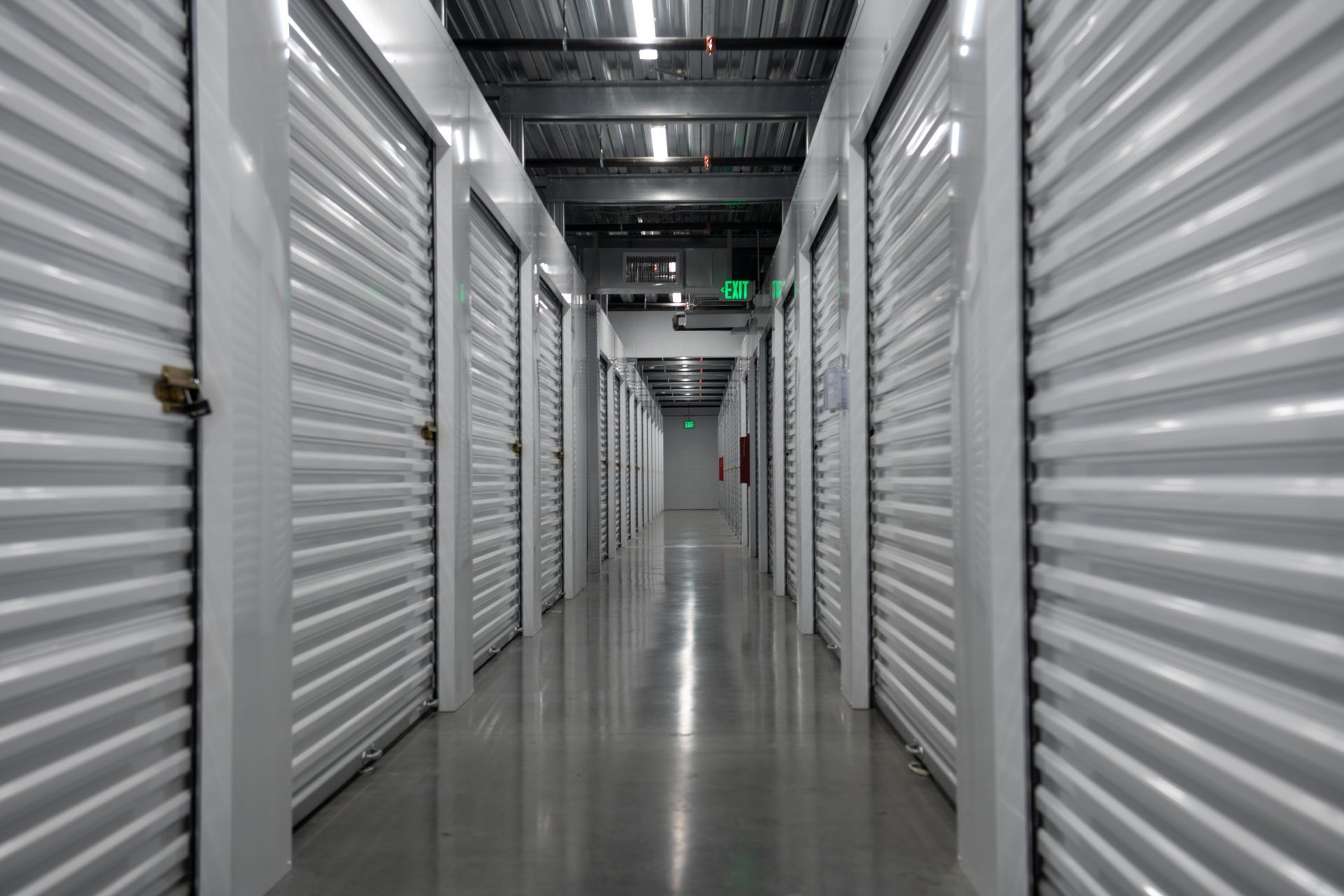
Hurricane Season and Your Storage Facility in Jacksonville, FL: How to Protect Belongings
This guide explains how to protect your belongings during hurricane season when you use a storage facility in Jacksonville, FL. Storms can bring heavy rain, wind, and flooding, and many people want to know how to prepare. A little planning can help, though no storage unit can guarantee protection from a hurricane.
A Realistic Starting Point
A storage unit is not a storm shelter, and it is not a guarantee against flood, wind, or hurricane damage. Storage can still be part of a smart preparation plan. It can give you a place to keep belongings organized and away from your home when a storm is coming.
The Atlantic hurricane season runs from June 1 through November 30. Jacksonville can see tropical storms and heavy rain during that time. Preparing early, before a storm is in the forecast, makes everything easier.
Choose a Facility Carefully
Not every storage facility is built the same way. When you compare options, ask questions about the property itself. Consider asking:
- Is the unit on the ground floor or an upper floor?
- Is the building raised, and how does water drain around it?
- Does the facility have a covered loading area?
- How does the staff communicate before and after storms?
- What happens to the unit if the power goes out?
A visit in person can tell you a lot. Look at the condition of the buildings, the drainage, and the roofs.
Use Plastic Bins, Not Cardboard
Cardboard absorbs water and falls apart. Heavy-duty plastic bins with tight lids protect your belongings better. Seal the lids, and use waterproof tape where you can.
Pack bins so they are not too heavy to lift. Avoid packing anything that is damp, since moisture can cause mildew.
Get Items off the Floor
Keep belongings off the floor of the unit. Use wood pallets or sturdy shelves to raise items a few inches. This can help if a small amount of water gets in.
Stack boxes and furniture so air can move around them. Do not cover items with heavy plastic wrap that traps moisture. Leave a little space between the items and the walls.
Protect Documents and Valuables
Some items are hard to replace. Think about whether they belong in a storage unit at all. Important documents, photos, and small valuables may be safer with you or in a protected place.
If you do store them, double-bag documents in sealed plastic bags and place them in a waterproof container. Keep copies of key papers in a separate location, or scan them to a secure cloud account.
Know What Your Insurance Covers
Insurance is one of the most important parts of preparation. Here is what to know:
- Homeowners and renters insurance may cover belongings kept off-premises, often up to a limit.
- Standard policies usually do not cover flood damage.
- Flood damage usually requires a separate flood policy.
- A storage facility's own insurance generally does not cover your belongings.
- Some facilities offer tenant protection plans, which may or may not cover storm damage.
Call your insurance agent and ask exactly what applies to items in storage. Ask about limits, deductibles, and exclusions. Get the answers in writing.
Make an Inventory
A written inventory helps with insurance and with planning. List what is in your unit, and take photos of the contents and the layout. Keep the list and photos outside the unit, such as on your phone and in the cloud.
Note serial numbers on electronics and valuable items. A clear record can make a claim easier if something is damaged.
Consider Climate-Controlled Space
Jacksonville's heat and humidity are hard on belongings even without a storm. Climate-controlled units help reduce exposure to moisture and temperature swings. That can be useful for electronics, wood furniture, and papers.
Climate-controlled space does not make a unit storm-proof. It is still a good option for sensitive items. Ask the facility whether climate-controlled units are available on upper floors.
Before a Storm Arrives
When a storm is approaching, take a few simple steps. Follow this order:
- Check the forecast and local emergency instructions.
- Confirm that your unit is locked and your items are elevated.
- Retrieve anything you will need at home.
- Take new photos of your unit's contents.
- Ask the facility about its hours and storm plans.
Do not put yourself at risk to visit your unit during dangerous weather. Follow local officials' guidance, and wait until it is safe to travel.
After the Storm
When officials say it is safe, check your unit. Look for water intrusion, shifted items, and signs of damage. Take photos of anything you find before you move it.
Contact the facility and your insurance company right away. Quick action can help protect items that are still in good shape.
Common Questions About Storms and Storage
Should I Rent a Unit at the First Sign of a Storm?
It can help to plan earlier than that. Units can fill up when a storm is in the forecast. Renting before the season gives you more choices and more time.
Is My Unit Safe From Flooding?
No facility can promise that. Ask about the building and drainage, and use the steps above to reduce risk. Check your insurance for flood coverage.
What Should I Do With Items That Cannot Get Wet?
Keep irreplaceable or moisture-sensitive items, such as photos, documents, and electronics, with you. If they must be stored, seal them in waterproof containers and consider a climate-controlled unit.
Can I Access My Unit During a Hurricane?
Access depends on the facility's hours and local conditions. Ask about storm procedures ahead of time, and never travel during dangerous weather. Wait until officials say it is safe.
Talk With a Local Facility
Town Center Storage, Inc. is a storage facility at 3555 St. Johns Bluff Rd. S. in Jacksonville, FL, with climate-controlled and drive-up units, a covered loading zone, and electronic keypad gate access. Our team can answer questions about unit options and the property. You can learn more on our storage facility page.
Call (904) 404-5000 or use our contact page to ask about availability. We are open Monday through Saturday from 9:00 AM to 6:00 PM and Sunday from 10:30 AM to 3:30 PM. A storage unit cannot guarantee protection from storms.